Rejuvenate: Neurophysiological Rehabilitation for the Debilitating Effects of Occupational Burnout
Employee burnout is taking a devastating toll on personal health, job satisfaction, workplace stress & job turnover. Levels of anxiety, fatigue, exhaustion, & depression are rising. To cope, employees are conserving their energy & pacing their effort. Sometimes they are disengaging from the work, the people they serve & the passion they once felt for their work. Some prefer to work remotely. Many are taking more sick days off. In increasing numbers, people are giving up their jobs, walking away from careers, & in painful desperation, turning to alcohol or drugs & when still overwhelmed, sometimes contemplating suicide. For these reasons, Chapin & Russell Associates has begun offering a new, effective treatment method for those suffering from symptoms of occupational burnout: the Rejuvenate Program.
Recent advances in brain science, quantitative electroencephalography (QEEG) & computer technology have demonstrated that much can be done to effectively alter & retrain the underlying neurophysiological dysregulation that accompanies burnout & its debilitating emotional, behavioral, & cognitive consequences. Research on the effects of biofeedback & neurofeedback training on burnout have found significant benefits for sleep, anxiety, stress, trauma, emotional balance, & cognitive functioning. Through the Rejuvenate Program, Chapin & Russell Associates aims to provide clients neurofeedback training for burnout, based on its effectiveness in treating burnout symptoms. If you wish to understand neurofeedback further, read more here.
Burnout Defined
The epidemic of burnout is real. The World Health Organization in the 11th Revision of the International Classification of Diseases (ICD-11) described burnout as “a syndrome from chronic workplace stress.” It is characterized by three dimensions:
- Feelings of energy depletion or exhaustion
- Increased mental distance or feelings of negativism or cynicism toward one’s job
- Reduced professional efficacy
Personal Impact of Burnout
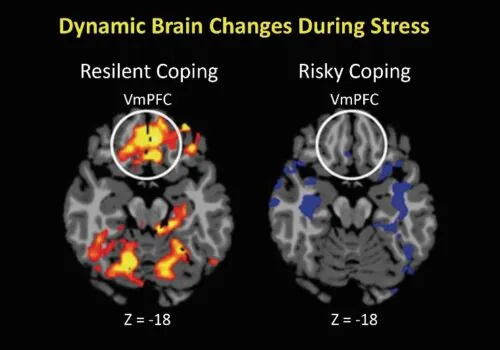
The personal impact of burnout is also real. Research has found that chronic workplace stress leads to reduced job performance, physical fatigue, cognitive weariness, & emotional duress. Left unaddressed, burnout results in sleep problems, anxiety, depression & impaired cognitive functioning or “brain fog.” Burnout has also been found to be a factor in diabetes, cardiovascular disease, addiction & neurological dysregulation. Imaging studies of the brain, in a prolonged state of burnout, have been found to look & function like the brain of persons with post-traumatic stress disorder. The primary structural & functional neurological consequences include:
- Increased amygdala volume & reactivity
- Initially elevated, then flattened cortisol levels
- Decreased hippocampal volume
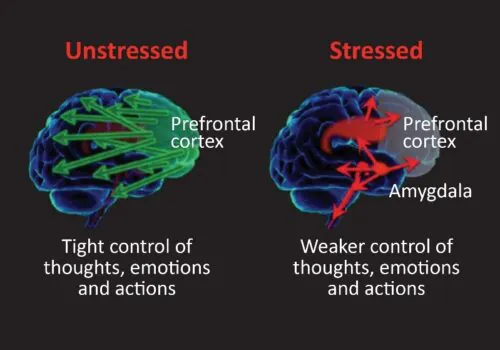
- Weakened connection to the prefrontal cortex
- Dysregulated sensory motor & visual processing
- Endocrine (hormonal) Disruption
Combined, these result in an inability to respond to stress, less control over reactions to negative experiences, inability to control emotions, cognitive deficits in attention, working memory, processing speed & visuospatial ability, sleep problems, anxiety, depression & exhaustion. Escape from workplace stress has been the instinctive survival response of many. The “Great Resignation” has been driven by the extraordinary & unprecedented workplace phenomenon of burnout.
Occupations Impacted by Burnout
Few occupations have been spared the ravages of burnout & several have experienced an especially devastating impact. A 2022 Gallop poll of over 12,000 full-time employees from various occupations found “never before seen levels of employee burnout.” At the top of the list of workers reporting “always or very often feeling burned out” were:
- K-12 Educators – 44%
- College & University Educators – 35%
- Professional Services – 33%
- Government Workers – 33%
- Retail Workers – 32%
- Law Enforcement Officers – 31%
- Healthcare Workers* – 31%
- *First Responders (Reported Elsewhere) – 55%
What Does the Rejuvenate Program Entail?
- Assessment: Clients will complete a psychosocial medical history, psychological testing of anxiety, depression, trauma, attention, perceived stress & burnout, a computerized test of variable attention, & a five channel quantitative electroencephalogram (QEEG). This assessment will determine the impact of burnout on the client & be used to inform their individualized treatment plan.
- Treatment Plan: Individualized treatment plans will include recommendations for lifestyle changes (i.e. sleep hygiene, exercise, diet, screen time, substance use), brain supportive supplements, biofeedback, neurofeedback, & counseling.
- Training: Clients will receive one or more sessions of biofeedback training to focus on peripheral skin temperature & heart rate variability. These are designed to promote improved physiological self-regulation. Once these skills are established, clients will then complete 20 sessions of neurofeedback training, to promote improved neurological self-regulation. The neurofeedback training will focus on established protocols to promote deeper quality sleep, physical & perceptual calmness, rational & calm thinking, trauma processing, mood balance & executive functions (cognition, attention, focus, & impulse control).
- Extended Services: It is understood some clients may bring with them a history of previous neurological dysregulation & symptoms caused by factors unrelated to their current burnout experience, who may benefit from a full neurophysiological assessment & complete course of neurofeedback training. Extended assessment & training options are available to those clients who may benefit from more extended services.
- Counseling: Biofeedback & neurofeedback are neurophysiological training experiences. They will significantly improve self-regulation from the body to the brain & the brain to the body. Training is not counseling. Some clients who are not currently in a counseling relationship may wish to engage counseling either during or after their neurophysiological rehabilitation. Counseling is recommended for those who wish to learn new skills, benefit from ongoing support, & stay focused on meaningful life changes to help inoculate them from further harm from workplace burnout.
- Initial Consultation: Clients who are interested in learning more about the Rejuvenate Program for Burnout, may call our offices for a free telephone consultation with one of our specially trained, neurofeedback professionals. An extended, in-office consultation may also be scheduled, utilizing your mental health insurance coverage.
Call Today for a Free Consultation!
If burnout fatigue has become too overwhelming for you to handle, find help managing its symptoms & promoting healthy brain function through Chapin & Russell Associates’ Rejuvenate Program. To learn more about Rejuvenate, our neurofeedback services, or our general counseling for Peoria, East Peoria, Dunlap, Washington, & the surrounding communities, contact us today at 309-681-5850. We are located at 3020 W Willow Knolls Dr #2, Peoria, IL 61614.