Brain-Based Support for Mental Wellness, Regulation, and Performance
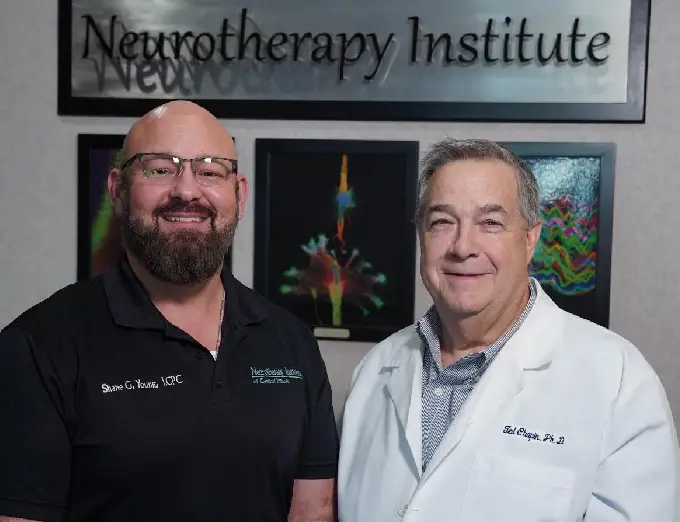
Clinical Neurotherapy gives clients another way to work toward healthier emotional, cognitive, behavioral, and physiological regulation. At Chapin & Russell Associates, neurofeedback and neurotherapy services are provided through the Neurotherapy Institute of Central Illinois, a division of Chapin & Russell Associates serving Peoria and the surrounding Central Illinois region.
Not every counseling office offers this kind of brain-based care. Chapin & Russell Associates provides access to Professional EEG Biofeedback Certified Neurotherapists and Board Certified Neurotherapists who bring clinical training, counseling experience, and specialized neurotherapy knowledge together in one practice.
For some clients, clinical neurotherapy may be used alongside counseling, coaching, or other clinical services. For others, neurofeedback may be explored when attention, stress, sleep, anxiety, mood, trauma, burnout, pain, or emotional regulation concerns are part of the bigger picture. If you are interested in neurofeedback therapy near me or neurotherapy near me in the Peoria area, our team can help you ask the right questions and determine whether this path may be a fit.
Clinical Neurotherapy Care That Supports Brain-Based Regulation
Clinical Neurotherapy is not a one-size-fits-all service. Clients may come to neurotherapy with concerns related to focus, learning, anxiety, sleep, burnout, chronic stress, pain, trauma, emotional regulation, or behavioral patterns.
The categories below organize the major concerns Chapin & Russell Associates may support through neurotherapy, neurofeedback, neurocounseling, counseling, or related services. These categories are meant to help users find a starting point, not to suggest that neurotherapy treats every condition in the same way.
Attention, Learning, and Developmental Concerns
Neurofeedback may help support concerns related to attention, cognitive regulation, learning, and developmental differences when brain-based regulation is part of the concern.
Related services and spokes include:
For some clients, neurotherapy may be considered alongside counseling, assessment, school support, or other clinical recommendations.
Anxiety, Mood, and Emotional Regulation
The brain plays an important role in emotional regulation, stress response, and mood stability. Clinical neurotherapy may be explored when clients are working through concerns such as:
These concerns may also be supported through counseling services. Neurotherapy may provide an additional brain-based path when regulation, activation, or nervous system balance are part of the clinical picture.
Stress, Trauma, Grief, and Burnout
Stress and trauma can affect the mind, body, emotions, and nervous system. Chapin & Russell Associates may use neurotherapy-informed care to support clients facing:
Related services and spokes include:
The goal is not to erase difficult experiences or promise quick results. The goal is to support healthier regulation and help clients build a more stable foundation for healing, recovery, and day-to-day functioning.
Sleep, Pain, and Body-Based Regulation
The brain and body are closely connected. Sleep problems, chronic pain, headaches, muscle tension, and physiological stress can all affect how a person feels, thinks, and functions.
Related services include:
Biofeedback and neurofeedback may help clients better understand and train certain patterns of self-regulation, especially when body-based stress responses are part of the concern.
Behavioral Patterns and Recovery Support
Some clients come to Chapin & Russell Associates with behavioral patterns, addictive patterns, eating concerns, or family systems affected by substance abuse or codependency.
Related services include:
These concerns often need thoughtful, individualized care. Neurotherapy may be one part of a broader plan that can also include counseling, substance abuse support, family work, or outside medical collaboration when appropriate.
What Clinical Neurotherapy and Neurofeedback Mean
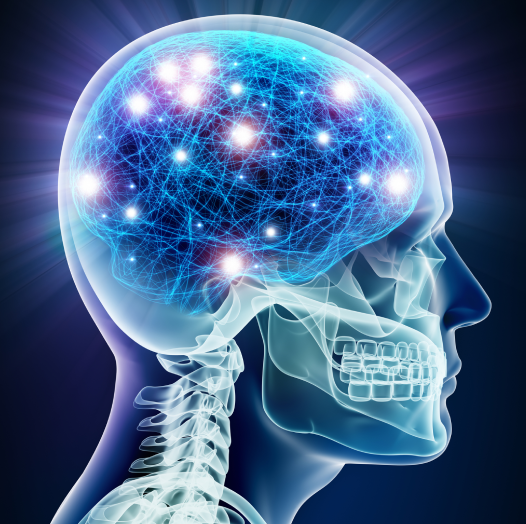
Clinical Neurotherapy expands Chapin & Russell Associates’ whole-person approach by examining the brain’s role in emotional, cognitive, behavioral, and physiological functioning more directly. The Neurotherapy Institute of Central Illinois describes this work as EEG Biofeedback for the Brain.
What Is Neurotherapy?
A helpful neurotherapy definition is this: neurotherapy is a brain-based approach that uses feedback, training, and clinical guidance to help the brain improve self-regulation.
The brain has been called the “Master Organ” because it plays a central role in how people think, feel, sleep, respond to stress, manage attention, and regulate the body. When brain activity is dysregulated, a person may struggle with activation, calm, focus, impulse control, sleep, emotional balance, or body-based stress responses.
To put it simply, dysregulation often means the brain has begun to use the wrong brainwaves, at the wrong time, for the wrong task. Clinical neurotherapy is designed to help train the brain back toward healthier timing, optimal balance, and better overall regulation.
How Neurofeedback Works
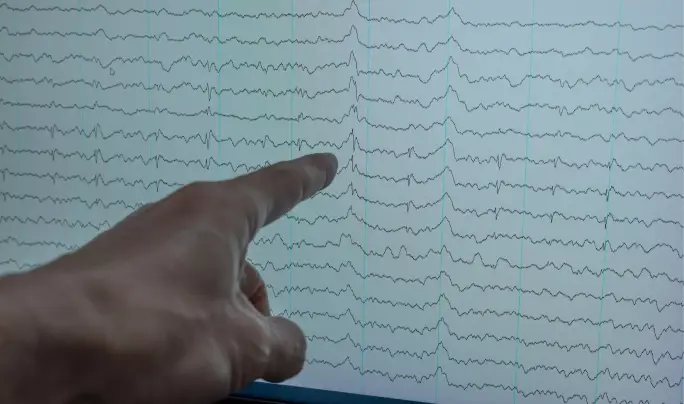
Neurofeedback is one of the primary tools used within clinical neurotherapy. It uses an electroencephalograph, or EEG, to measure real-time brain electrical activity. During training, the brain receives feedback through music, video, or another reward-based signal.
The goal is to reinforce healthier brainwave patterns over time. In order to continue hearing music or viewing the video, the brain is encouraged to increase or decrease certain targeted brainwave patterns. Over repeated training sessions, neurofeedback works toward helping the brain learn more flexible, appropriate regulation.
Neurocounseling, Biofeedback, and Brain Mapping
Clinical Neurotherapy may include more than one tool or method depending on the client’s needs, goals, and provider recommendations.
- Neurocounseling brings brain science into the counseling process by considering how the nervous system, stress response, behavior patterns, and emotional processing may interact.
- Biofeedback uses information from the body, such as peripheral skin temperature or heart rate variability, to support improved physiological self-regulation.
- Brain mapping / QEEG may be used in neurotherapy settings to better understand patterns of brain activity and guide training decisions when appropriate.
What Happens When You Reach Out
Starting clinical neurotherapy can feel different from starting traditional counseling, especially if
you are unfamiliar with neurofeedback or EEG neurotherapy. You do not need to understand EEG, QEEG,
or brainwave training before asking whether neurotherapy may be a fit.
Share What You’re Experiencing
You may be interested in neurofeedback because of attention problems, stress, burnout, sleep struggles, emotional reactivity, anxiety, mood concerns, pain, or another issue. You can begin by explaining what you are experiencing and what you are hoping may change.
Explore Whether Neurotherapy May Fit
Neurotherapy is not the right fit for every client or every concern. Chapin & Russell Associates can help determine whether clinical neurotherapy, counseling, assessment, or another service may be the best starting point.
Begin a Guided Training Plan
When neurotherapy is appropriate, trained neurotherapists help guide evaluation, diagnosis, treatment planning, and case management. A neurotherapy technician may assist with repeated training sessions when appropriate, but clinical oversight remains an important part of care. The existing neurotherapy program references 20 to 40 sessions as a common training range, though recommendations vary by client, concern, goals, and clinical plan.
Experienced Neurotherapists Serving Peoria and Central Illinois
Clinical Neurotherapy requires more than equipment. It requires trained providers who understand the brain, mental health, client safety, treatment planning, and the personal realities that bring people into care.
At Chapin & Russell Associates, neurotherapy is provided by fully trained neurotherapists who are licensed health care providers with a master’s or doctorate degree in their professional field. Their training includes a minimum of 45 hours through a nationally recognized neurotherapy training provider, along with ongoing case consultation.
The neurotherapy team includes:
- Professional EEG Biofeedback Certified Neurotherapists
- Board Certified Neurotherapists
- Licensed clinical psychologists
- Licensed clinical social workers
- Licensed clinical social workers
- Certified alcohol and drug abuse counselors
- Certified neurofeedback technicians
- Licensed clinicians involved in evaluation, diagnosis, treatment planning, and case management
Licensed clinicians involved in evaluation, diagnosis, treatment planning, and case management
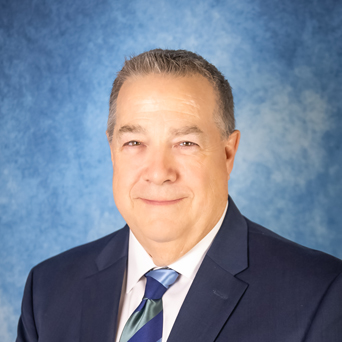
Ted Chapin, Ph.D., LCP, LMFT, CEAP, BCN, is the founder and President of Chapin & Russell Associates and a Board Certified Neurotherapist with over 30 years of experience as a clinician, consultant, and coach. His background includes counseling psychology, marriage and family therapy, traumatic stress, psychological testing, clinical hypnosis, and neurotherapy. Dr. Chapin is also the author of Neurotherapy and Neurofeedback: Brain-Based Treatment for Psychological and Behavioral Problems and co-author of Integrating Neurocounseling in Clinical Supervision – Strategies for Success.
Bradley Post, LCSW, CADC, SAP, Vice President of Chapin & Russell Associates, has well over 30 years of experience as a clinician, coach, and consultant. He brings advanced experience in substance abuse assessment and treatment, addiction-related care, DOT Substance Abuse Professional services, and neurotherapy training.
A Specialized Option in the Local Counseling Landscape
For clients in Peoria and Central Illinois, Chapin & Russell Associates offers something many local therapy offices do not: access to counseling, coaching, assessment, and state-of-the-art neurotherapy within one practice. This creates a broader care environment where neurofeedback can be considered alongside other clinical options instead of being treated as a stand-alone service disconnected from the whole person.
Professional EEG Biofeedback Certified Neurotherapists (Board Certified*)
Neurotherapy is provided by fully trained Neurotherapists who are licensed health care providers and have a master’s or doctorate degree in their professional field. They have completed a minimum of 45 hours training by a nationally recognized neurotherapy training provider and participate in ongoing case consultation with one of the top three neurofeedback trainers in the country. Our trained Neurotherapists provide all of the evaluation, diagnosis, treatment planning and case management services for each neurotherapy client; however, a neurotherapy technician may be utilized at times to conduct repeated training sessions. For more information you can read a copy of the Neurotherapy Informed Consent Form or call for a free telephone consultation.
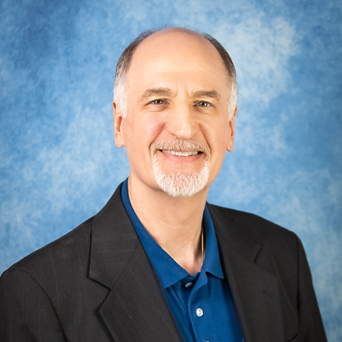
Ted Chapin, Ph.D.*
Licensed Clinical Psychologist
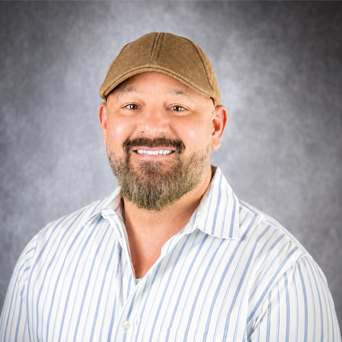
Brad Post, MSW
Licensed Clinical Social Worker
Certified Alcohol and Drug Abuse Counselor
Shane Young, M.A.
Licensed Clinical Professional Counselor

Elissa Chapin, M.A., N.C.C., N.T.
Certified Neurofeedback Technician

Cameron Young, N.T.
Certified Neurofeedback Technician
Does Neurotherapy Work?
Many people exploring neurofeedback ask the same question: does neurotherapy work? The honest answer is that neurotherapy has a meaningful research base, but results are not identical for every person.
Results may depend on:
- The concern being addressed
- Individual brain regulation patterns
- Consistency with training
- Related medical or mental health concerns
- Provider recommendations and treatment planning
- Whether neurotherapy is paired with counseling or other clinical care
Rather than using research as a guarantee, Chapin & Russell Associates uses it as part of a thoughtful clinical conversation. Neurofeedback may be a helpful option for some clients, but it should be considered in context with the person’s goals, symptoms, history, and overall care plan. While neurofeedback is a non-medication-based training approach, it should not replace prescribed medication or medical care unless a client is working directly with the appropriate licensed medical provider.
Clinical Neurotherapy Alongside Counseling and Holistic Support
Clinical Neurotherapy is one pathway within Chapin & Russell Associates’ broader approach to mental wellness. Some clients may begin with neurofeedback. Others may start with counseling and later explore neurotherapy. Still others may find that holistic mind-body services provide an additional layer of support.
Counseling Services
Counseling Services may be the best starting point for clients who want talk therapy, emotional processing, relationship support, family counseling, trauma recovery, or help navigating anxiety, depression, stress, grief, and life transitions.
Best fit for clients interested in:
- Talk-based support with a licensed counselor or therapist
- Emotional, relational, or family-focused care
- Counseling that may pair with neurotherapy when clinically appropriate
Healing Arts & Brain Spa
Healing Arts & Brain Spa services offer a holistic pathway for clients interested in mind-body wellness, relaxation, self-regulation, and personal growth.
Best fit for clients interested in:
- Mind-body wellness and relaxation
- Holistic practices that support regulation and personal growth
- Supportive experiences outside a traditional counseling format

Clinical Neurotherapy and Neurofeedback Near Peoria
Chapin & Russell Associates provides clinical neurotherapy and neurofeedback in Peoria for clients throughout Central Illinois. In addition to Peoria, clients may come from Washington, Morton, Metamora, Pekin, Dunlap, East Peoria, Peoria Heights, Germantown Hills, Bartonville, and surrounding communities.
For people searching for neurofeedback therapy near me or neurotherapy near me, the local provider matters. Clinical Neurotherapy requires both technology and trained clinical oversight. Chapin & Russell Associates offers a specialized local option with Professional EEG Biofeedback Certified Neurotherapists, Board Certified Neurotherapists, licensed health care providers, and a broader counseling practice that can support the whole person.
Frequently Asked Questions About Neurofeedback and Clinical Neurotherapy
Clinical neurotherapy is a brain-based approach that uses feedback, training, and clinical guidance to help the brain improve self-regulation. It may include neurofeedback, biofeedback, neurocounseling, and related tools that support emotional, cognitive, behavioral, and physiological regulation.
Neurofeedback is one tool within the broader clinical neurotherapy approach. Neurotherapy may include neurofeedback, biofeedback, neurocounseling, brain mapping, or other brain-based support depending on the client’s needs and provider recommendations.
Neurotherapy and neurofeedback have a growing research base, but results vary. Outcomes can depend on the concern being addressed, consistency with training, individual brain regulation patterns, and whether neurotherapy is paired with counseling or other clinical care.
The current Chapin & Russell Associates neurotherapy program references 20 to 40 sessions as a common training range. However, the number of sessions can vary based on the client’s goals, concerns, response to training, and clinical recommendations.
Yes, when appropriate. Some clients may use counseling and clinical neurotherapy together, especially when emotional processing, behavior change, stress regulation, or nervous system regulation are all part of the concern.
Ask Whether Clinical Neurotherapy May Be a Fit
Clinical Neurotherapy is not one-size-fits-all. If you are interested in neurofeedback, neurocounseling, EEG neurotherapy, or neurotherapy treatment near Peoria, Chapin & Russell Associates can help you ask the right questions and determine whether this path may fit your goals. When you are ready, you can:
- Call the officeto ask about clinical neurotherapy or neurofeedback services.
- Complete the online formif you are ready to begin the intake process.
- Ask about provider fitif you are unsure whether counseling, neurotherapy, or another service is the right starting point.
Whether you are exploring neurofeedback for yourself, your child, or a family member, Chapin & Russell Associates can help you take a thoughtful first step.
We're Here to Help You Get Started.
Additional Neurotherapy Resources
Chapin & Russell Associates has long emphasized education around neurotherapy, neurofeedback, and brain-based treatment. Suggested resources include books, white papers, and videos from Ted Chapin, Lori Russell-Chapin, Daniel Amen, Mike Cohen, and others.

Suggested Reading
- Chapin, T.C. & Russell-Chapin, L.A. (2020). Integrating Neurocounseling in Clinical Supervision – Strategies for Success.
- Chapin, T.C. (2017). White Paper: Comparison of Neurofeedback Services at Neurotherapy Institute of Central Illinois vs Brainpaint Offered by Peoria Area Providers.Comparison of Neurofeedback Services at Neurotherapy Institute of Central Illinois vs Brainpaint Offered by Peoria Area Providers.
- Amen, D.G. (1998). Change Your Brain Change Your Life.
- Chapin, T.C. & Russell-Chapin, L.A. (2014). Neurotherapy and Neurofeedback.
- Fontani, G.; Corradeschi, F.; Felici, A.; Alfatti, F.; Migliorini, S.; Lodi, L. (2005) o Cognitive and Physiological Effects of Omega-3 Polyunsaturated Fatty Acid Supplementation in Healthy Subjects. European Journal of Clinical Investigation.
- Robbins, J. (2008). Symphony in the Brain

Suggested Videos
- Drs. Ted Chapin and Lori Russell-Chapin |Neurotherapy: Treatment for Psychological and Behavioral Problems
- Mike Cohen | Center for Brain | What Is Neurofeedback? How Brain Training Can Benefit Kids, Families, and Adults
- Mind Media featuring Nexus | Neurofeedback – New Focus on ADHD
- Daniel Amen | TEDxOrangeCoast | The most important lesson from 83,000 brain scans
- CBS Denver | Former NFL Players Seek Concussion Relief Through Neurofeedback