
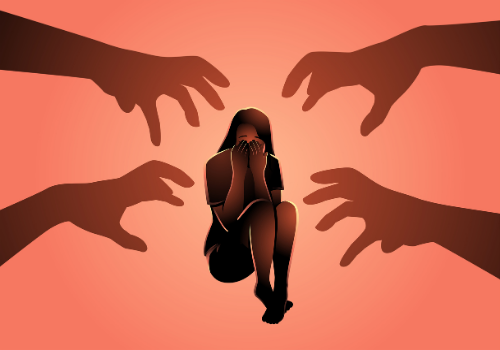
Better Understanding Anxiety & How It Affects You
As our anxiety builds up, whether due to life changes, relationship challenges, or trouble at work, we need to find a release. Otherwise, without addressing the causes of anxiety & its increased prevalence in your life, you risk more severe issues like anxiety attacks. Although anxiety attacks differ from panic attacks, they can be just as debilitating & are something you want to avoid having. Thankfully, working with Chapin & Russell Associates can help you identify the causes of your anxiety & head it off before it results in an anxiety attack.
Describing Anxiety Attacks
Simply put, anxiety attacks are a reaction to the stress your body undergoes when dealing with consistent anxiety. Although anxiety attacks aren’t explicitly defined in the Diagnostic & Statistical Manual of Mental Disorders (DSM), they are a way for individuals to describe severe symptoms of anxiety all at once. If you have an anxiety attack, you might experience feelings of fear & worry. There are also physical symptoms that accompany anxiety & are often attributed to anxiety attacks. Some of these symptoms include:
- Dizziness
- Knots in Stomach
- Fast Breathing
- Restlessness
- Rapid Breathing
- Hot Flashes
- Irregular Heartbeat
How Do Anxiety Attacks Start, & When Do They End?
As mentioned, an anxiety attack is a direct response to the anxiety you are experiencing. This means an anxiety attack can be triggered by worry, fear & stress over sustained periods. Often, an anxiety attack is a culmination of your anxiety, with symptoms becoming more impactful & continuing for some time. As for when an anxiety attack ends, there’s no peak for an attack, meaning there’s no true resolution either.
What About Panic Attacks?
Although panic attacks & anxiety attacks share many of the same emotional & physical symptoms, they are not the same. An anxiety attack is more gradual & comes at the onset of an extreme buildup of anxiety. Conversely, panic attacks are a symptom of anxiety, can occur suddenly, & involve challenging & pronounced physical symptoms like racing heartbeat, shortness of breath, & severe nausea. In fact, it’s possible to experience a panic attack as part of an overall anxiety attack.

What Can Be Done?
If you find yourself experiencing what you believe to be anxiety attacks or severe anxiety, talking with a mental health professional should be your first objective. Through therapy, a therapist can help identify the causes of your anxiety & provide helpful guidance for reducing anxiety, building your confidence, & overcoming your fears. Additionally, a therapist can teach helpful strategies & activities for coping with anxiety & calming your mind & body.
If your anxiety is severe enough, a psychiatrist can help diagnose anxiety disorders & prescribe some form of medication for treating anxiety & its symptoms. Otherwise, Chapin & Russell Associates offers neurofeedback treatment, a unique approach to treating anxiety & emotional dysregulation in individuals. Through neurofeedback, we analyze your brain’s electrical signals & train your brain to more efficiently manage anxiety, stress, depression, & more.
If you are interested in learning more about anxiety attacks, anxiety disorders, & how you can treat your anxiety, give the team at Chapin & Russell Associates a call! Contact us at 309-681-5850 to ask about our additional counseling services or schedule a session.