
What Can Be Done if You Struggle with Weight & Self-Esteem
From young to old, plenty of people are concerned about their weight & maintaining a healthy, “attractive” body image. However, some people choose to go beyond standard exercise & dieting & take their weight control a step too far. Depending on how you choose to control your weight & eating habits, it’s easier than you think to develop eating disorders like bulimia nervosa. Thankfully, with support from Chapin & Russell Associates, bulimia can be overcome, & confidence in your body can be restored!
Understanding Bulimia Nervosa
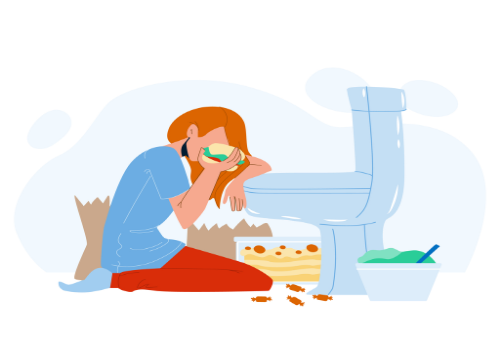
Bulimia Nervosa is a serious mental health disorder characterized predominantly by a cycle of binge eating followed by compensatory behaviors, such as vomiting, fasting, excessive exercise, or misuse of laxatives, to prevent weight gain. Individuals with bulimia often feel a lack of control over their eating during binge episodes & experience intense shame, guilt, & distress about their eating patterns. This disorder can have severe physical, emotional, & social consequences, making it crucial to seek comprehensive treatment that addresses both the psychological aspects of the disorder & its physical health implications.
What Are Bulimia’s Warning Signs & Symptoms?
If you are struggling with bulimia yourself or suspect someone you love is, it’s essential to understand the signs & symptoms of this destructive eating disorder. Those with bulimia nervosa may experience:
- Depression
- Anxiety
- Binge eating
- Fasting between binges
- Vomiting (on purpose)
- Mood swings
- Over-reliance on dietary medications, supplements & laxatives
- Excessive exercise
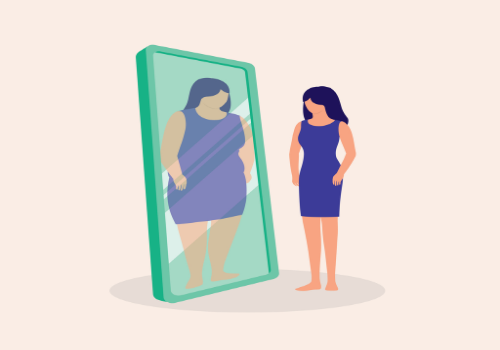
- General unhappiness with your body shape & weight
Causes of Bulimia & What Can Be Done
There is not a defined “cause” for bulimia nervosa. However, most mental health professionals & researchers attribute bulimia to a combination of genetics & learned behaviors. For example, societal cues often encourage “skinny” bodies as the ideal, placing pressure on those who don’t fit into this ideal body type to correct the issue through unhealthy habits, leading to eating disorders. There’s also argument that genetic disposition impacts an individual’s risk of bulimia, with some research showing those with a family history of eating disorders are more susceptible to them.
No matter the causes for bulimia, Chapin & Russell Associates looks to help individuals battling this pervasive eating disorder. Through psychotherapy, a therapist helps transform an individual’s thoughts about food & weight. By developing healthier attitudes towards self-body image & eating, individuals can overcome eating disorders & pursue a better quality of life. Additionally, bulimia can be treated through the unique approach of neurofeedback treatment. By analyzing brainwave patterns causing emotional dysregulation, we can target dysregulation that may lead to the unhealthy thoughts & behavior patterns, & help “retrain” your brain for more positive thinking.
For help overcoming bulimia nervosa & other eating disorders, reach out to the mental health professionals at Chapin & Russell Associates today. Call us at 309-681-5850 to learn more about our general counseling services or to schedule your first session.